La Escuela Moderna was a progressive school that existed briefly at the start of the 20th century in Barcelona, founded in 1901 by Francesc Ferrer i Guardia, the school’s stated goal was to educate the working class in a rational, secular and non-coercive setting”. In practice, high tuition fees restricted attendance at the school to wealthier middle class students. It was privately hoped that when the time was ripe for revolutionary action, these students would be motivated to lead the working classes.
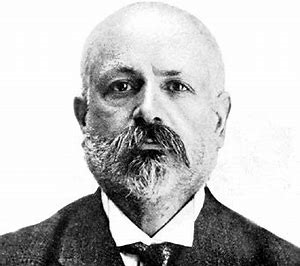
It closed in 1906. Ferrer was executed three years later for sedition.
La Escuela Moderna, and Ferrer’s ideas generally, formed the inspiration for a series of Modern Schools in the US (New York 1911), Cuba, S America and London.
After the carnage of the First World War, many educationalists were desperate to create a system that would not lead to further bloodshed. The Escuela Moderna provided a starting point for them.
An anarchist free school (also anarchist free school and free skool) is a decentralized network in which skills, information, and knowledge are shared without hierarchy or the institutional environment of formal schooling. Free school students may be adults, children, or both. This organisational structure is distinct from ones used by democratic free schools which permit children’s individual initiatives and learning endeavours within the context of a school democracy, and from free education where ‘traditional’ schooling is made available to pupils without charge. The open structure of free schools is intended to encourage self-reliance, critical consciousness, and personal development. Free schools often operate outside the market economy in favour of a gift economy. Nevertheless, the meaning of the “free” of free schools is not restricted to monetary cost, and can refer to an emphasis on free speech and student-centred education.
Free schools have their roots in the anarchist Escuela Moderna in Spain during the late 19th and early 20th centuries. They are, at heart, non-institutional, non-authoritarian, and counter-cultural. Generally, these are formed at a grassroots level by a group of individuals acting collectively and autonomously to create educational opportunities and promote skill- sharing within their communities. For example, the Anarchist Free School in Toronto was described as “a volunteer-run, autonomous collective offering free courses, workshops, and lectures.
 Jam Butty's Alternative Education