Sharing of tacit knowledge is most important aspect of mentorship

This article from phys.org is worth sharing

When it comes to education and mentorship, Northwestern University researchers believe that Albert Einstein had the right idea. The most important aspect of teaching, Einstein thought, isn’t relaying facts but imparting tacit knowledge that students will build on for the rest of their lives.In one of the largest ever multidisciplinary investigations into mentorship and mentee performance, the Kellogg School of Management researchers found that the most impactful mentors are those who teach students to think independently and communicate their unique viewpoints effectively.

“Communicating codified knowledge is relatively straightforward,” said corresponding author Brian Uzzi. “It’s written down in books and presentations. But it’s the unwritten knowledge we intuitively convey through our interactions and demonstrations with students that makes a real difference for mentees.”

The researchers note that remote learning, which is becoming more common during the COVID-19 pandemic, may not be as effective a means of transferring such tacit knowledge, which could have long-term effects.

“Face-to-face interaction is essential. When we teach by doing, we are conveying tacit knowledge we don’t even realize we have,” said Uzzi, the Richard L. Thomas Professor of Leadership at Northwestern’s Kellogg School of Management and co-director of the Northwestern Institute on Complex Systems. “If we limit the face-to-face channel by which tacit knowledge is communicated, we potentially slow down the pace of learning and scientific breakthroughs, and that will affect us all.”

When mentors excel in transferring tacit knowledge, their protégés achieve two to four times greater success than similarly talented students of mentors who convey regimented knowledge but not tacit know-how, the researchers found. Protégé success was determined by whether they won a scientific prize of their own during their career, were elected to the National Academy of Sciences or were in the top 25% of citations for their field.

The most successful protégés also were more likely to pioneer their own research topics, rather than follow in their mentors’ research path. This finding contradicts the popular belief that the most successful protégés will be those who carry on their mentors’ already successful work.

. The study, “Mentorship and protégé success in science,” publishes the week of June 8 in PNAS. The study is among the first to look at objective protégé performance over the course of a career, drawing from genealogical datasets that track the relationships between mentors and students.

Previous research into the topic of mentorship has been done largely through self-reporting, often many years after the students graduate. That makes it subject to memory errors and personal biases, researchers say.

The researchers studied genealogical data on 40,000 scientists who published 1.2 million papers in biomedicine, chemistry, math or physics between 1960 and 2017. They also used the ProQuest Dissertations and Theses databank, an official record of advisor/student relationships taken from Ph.D. theses, and supplemented it with additional crowdsourced data and the Mathematics Genealogy Project to ensure they correctly matched mentor/mentee relationships.

To account for the fact that more successful mentors naturally attract more talented students, the researchers grouped mentors with similar records and reputation based on factors including institutional resources, productivity, number of students, citations and other measures of a mentor’s skills, and they compared the performance of students within the same mentor peer group. However, one mentor in each peer group had a hidden talent for identifying key problems and producing compelling solutions that the other mentors did not have. These mentors were future scientific prizewinners.

To assess protégé success, the researchers considered only those students who studied under a mentor before that mentor won their scientific prize to control for selection bias and the halo effect a prizewinning mentor casts over their students. After controlling for differences in mentorship skills and mentee talent, the researchers found that the most successful protégés studied under mentors who demonstrated a unique skill in ideating and publishing celebrated research and who displayed independent thought by breaking away from their mentors’ lines of research.

Time to kill the scientific zombie that is the ‘nature vs. nurture’ debate

by Mark Hathaway, University of Otago

The following article is worth sharing:

Professors Hamish Spencer of Otago, and Marlene Zuk of the University of Minnesota, have had their views published today in the journal BioScience. Their article confronts the debate they liken to a zombie that is “nature v nurture,” or put another way, that either your genes (nature) or your environment (nurture), dictate the outcomes in your life.

“The dilemma is particularly clear with regard to behavioral traits, such as intelligence or sexual orientation, where thinking that someone’s genes or the environment they live in is the sole or main cause of their situation. This view can lead to flawed conclusions such as excusing bad behavior as inevitable because it is in the genes,” says Professor Spencer.

The authors argue that, first, behavior is not special in its evolution but evolves in the same manner as other traits. Second, no trait, whether behavioral or otherwise, is caused by either genes or the environment or even by an additive combination of the two; the interaction is the important feature. Third, genes do not and cannot code for behavior or any other characteristic.

“What we mean by this is that the effect of genes depends on the environment, just as much as the effect of environment depends on the genes. For example, babies with two copies of a defective PAH gene cannot properly metabolize the amino acid phenylalanine, which builds up in their bloodstream and eventually leads to severe intellectual disabilities. This condition, phenylketonuria (commonly known as PKU) occurs, however, only when the babies’ diets contain phenylalanine; in its absence, babies develop quite normally. So, the effect of the PAH genes depends on the diet (the environment), but also the effect of the diet depends on whether or not the babies have two defective PAH genes,” says Professor Spencer.

Professors Spencer and Zuk hope their views positively influence discussions around behavior and evolutionary biology.

“It’s easy to say well, why does this matter? Could we not just let the zombie wander the landscape, shedding DNA like rotten body parts and moaning about inheritance? We think not. The zombie needs to die, because, otherwise, we continue to have fruitless debates about the inherent nature of sexism or of genius,” Professor Spencer adds

Ivan Illich

Ivan Illich was born in Vienna (1926-2002), educated in religious schools, exiled because of Jewish ancestry and moved to Florence.  Studied Philosophy and Theology at the Gregorian University (Rome), became a priest in New York, then Vice Rector of the Pontifical University (Puerto Rico).  Taught at Fordham University (NY).  

In 1961 he created the Intercultural Documentation Centre (CIDOC) at Cuernavaca, Mexico where he put his educational theories into practice. 

In 1971 his “Deschooling Society” was published, in which he explains how school has confiscated education, in the same way that the hospital has appropriated health. The institution has monopolised knowledge and ruins the states that have to fund the teaching. 

“Throughout the world, school harms education because it sees itself as solely responsible”. 

In particular, students from modest families know intuitively the benefits that school can bring them.  It teaches them to confuse the ways of acquiring knowledge with the taught subject and once the distinction is erased, they see the logic of school.  The longer that they remain in its grasp, the better the results will be and, as well, that the process of climbing leads to success. That is what the child learns at school. 

It is thus that they learn to confuse teaching and learning, that education consists of stepping from class to class, that diploma is a synonym of competence, that knowing how to use language allows them to say something new. ….  Their imagination, now subdued by the rule of school, allows them to be convinced to substitute the idea of service for that of worth. 

They, in effect, imagine that the only care necessary for health is medical treatment. The improvement of communal life is dealt with by social services. They confuse individual security with police protection, the army with national security,  the daily struggle to survive with productive work. Health, education, human dignity, independence and creative effort, thus all depend upon the good functioning of the institutions that purport to serve these ends. All improvement, it seems, depends  on the funding of hospitals, schools and all the bodies involved….

The poor are always duped into believing that their children will benefit from a proper schooling.  That may be but a promise, as in Latin America or reality in the US.  The results in both cases are comparable; after enduring twelve years of schooling, the deprived children with disabled parents from the North wither as much as those of the South.  In neither area do schools ensure equality; on the contrary, their existence is enough to discourage the poor, making them incapable of grasping a proper education. 

Throughout the World, school harms education because it sees itself as the only body that can do it. They come to believe that its many failures make education a costly business, it is incomprehensibly complex with a mystical alchemy – Why not look for the philosopher’s stone. 

School takes up money, the people and good will available in the education domain and protective of its monopoly leads it to prevent other institutions from assuming educational roles.  Besides, it plays an important role in the customs and knowledge that the different social activities imply; those may be work, leisure, politics, life in the framework of a city or in the family. It does not allow these other activities to become favoured educational media, when cost of educational establishments becomes prohibitively expensive. 

Educational establishments lead us into paradoxical situation;  they continually need more money and that budgetary increase only reinforces their destructive power in countries that allow this increase and, by contagion, internationally. 

At a time when it is clear that our physical environment is menaced by pollution and will become uninhabitable if we don’t change our ways; it is also time to perceive that there are other types of pollution. Society and individuals’ lives are poisoned by considering social security, education and health to be competitive and obligatory consumables. 

This escalation in the educational sphere is as dangerous as an escalation in armaments, without us being as aware. This is a general phenomenon, everywhere education budgets inflate immeasurably faster than the number of pupils or the gross national product. Everywhere the amounts allocated are insufficient and do not meet the parents’ expectations, nor those of the teachers and pupils. Then, taking into account the number of children not in school, it is impossible to find the capital and good will to bring about change. 

Analysis – Edgar Morin

Morin is a French philosopher and sociologist, who worked for UESCO.  He is best known for his work on “Transdisciplinarity”.  His work is very influential in francophone countries and in Latin America. 

Morin suggests that the network of knowledge advocated by Ivan Illich may serve as a base for considering the reform of our schools. 

Illich appeared in the late 1960s, at the same time environmental concerns were being raised. His writings have never penetrated the spirits.  “Deschooling Society” has certainly been read, but its polemic was immediately rejected, doubtless because he attacked the basis of our culture. 

Young Native Americans from northern Canada understand human and natural phenomena as part of a mutual relationship. When they approach a lake or forest, the presence of some trampled grass, some animal dung or a sound implies the presence of a small animal.

When they arrive in school, they are confused by the institutional disciplines that form and adapt the spirit to the dominant rationale.  

Illich clearly shows how knowledge, like medicine, has become dangerously specialised, divided and partial.  His idea is to set up “networks of knowledge”, to create a co-ordination centre to supply teachers to meet each pupil’s needs.  For example, if a child wants to learn Chinese, a teacher of Chinese would be allocated to him.  The school would thus be freed from the disciplinary straightjacket. 

Without necessarily going as far as that, it could inspire us think about educational reform.  This breaking up of knowledge, that Illich deplored, today makes one evade the examination of civilisation by transforming it into a collection of individual problems.  There is even more need now to reflect globally on ourselves, since each problem, by being dealt with by a specialist, becomes independent of the others. 

Teaching should re-centre itself around things that allow us to deal with those problems that are essential to us as people, as citizens and human beings.  For example, one could put the accent on understanding others and showing children that, instead of searching who had started a dispute, who is right and who is wrong, they should look at the vicious circle caused by not understanding the other’s point of view. The children should reflect on themselves very early, to realise that we all can be mistaken and be victims of illusions. 

Instead of dealing with truths, school should show them why they are mistaken, that would be very pertinent. 

Instead of knowledge that is split into disciplinary compartments that have to be studied during the foundation courses, I favour of teaching transdisciplinary knowledge, with a pedagogy of complexity would replace bite-sized learning. 

A Socratic discourse would favour the discovery in oneself truths that one ignores. School no longer has a monopoly on the knowledge that it transmits, so its role should be to help students discover an understanding that inspires them by appealing to their natural curiosities. The basic concern isn’t to teach all knowledge, but to show them that everybody is involved in the same project of vital and basic understanding. 

The various subjects are, by definition, separate; however Nature and human nature are not organised in this manner.  Closed specialisation inhibits culture, but open specialisation feeds off the context and the context feeds off it.  Renewed in this way, the disciplines will satisfy the needs of society.  Above all it is necessary to get away from the authoritarian and fragmented manner of teaching lacking interaction which Ivan Illich denounced. 

Unlike Illich, I believe that schools should remain as places for encounter and friendship, but his ideas can help us in the fight against knowledge that is fixed and bureaucratised by freeing aspirations of discovery.

Roger Cousinet

Roger Cousinet (1881-1973) 

At the beginning of the 20th Century, under the supervision of Emile Durkheim at the Sorbonne, Roger Cousinet prepared a thesis on the social life of infants. In 1910, he became a primary inspector.  In 1920, with voluntary teachers, he put into practice his approach of free group work. His educational theories created suspicion in the hierarchy.  

Between 1944 and 1959, he taught pedagogy at the Sorbonne. In 1946, together with Francois Chatelain, he founded the Ecole Nouvelle Francaise at Meudon and the Ecole Nouvelle de La Source, which is still working today.  

Roger Cousinet is recognised as the pioneer in France of the New Education. 

To Cousinet, infants are not a immature adults, but a specific individuals for whom it is right to develop relationships with their peers. 

School should be special place where they can organise their work within a chosen group. 

School should be the children’s home, they should furnish it, decorate it and entertain their fantasies there. The following approach is suitable for all their work; they can organise themselves freely into groups, which they can change as they feel the need. 

The teacher never obliges a pupil to work in a particular group, nor to leave it or for a group to accept or refuse an individual.  Whilst the children are at work, she will not interfere, whatever the work may be. The children are left alone in their task, they are not directed, guided or given any assistance, except when the children ask a question. 

If one member seems not to be working, the teacher does not comment, but waits for the moment to arrive when the others push them out, having noticed the poor attitude or the inappropriateness of their ability, be it too high or too low. The individual has to find another group for themselves. 

With written work, each group had its own blackboard and when they had finished the teacher would read the work back to them indicating mistakes. She would only correct them when the children showed themselves incapable of correcting it themselves and only explained the corrections if the children asked for an explanation.  He considered that the study of grammar should take place in the later years of schooling. 

The maintenance of the class largely depends upon the children. Each group has its own place where its collection of minerals, plants, insects can be kept.  

The materials consist of a group exercise book in which the group’s work is recorded, a special exercise book, a reading book containing the group’s compositions; stories, accounts, poems and jokes.  Part of a wall is available for the display of drawings. 

Work begins with each group making a descriptive resume which is partly literary and partly scientific.  They complete calculations in that resume, such as the area of the room, its volume, the window area, the size of furniture and the central heating system. They work out prices from tables that they themselves have produced from information coming from shops and regional industries. They identify any repairs that may need to be done.   This work, as one can easily see, is rather long term.  The children can ask the teacher, whenever necessary, for whatever information they require and they organise the calculations between the groups. 

To these tasks, the creation of a map of the classroom, then the school (geographic work) and the organisation of collections (scientific work) can be added. 

This approach leads to children to be occupied in work that is may be literary, mathematical, geographical or scientific. 

It is no longer necessary to allow this work to develop in the normal direction. The scientific part can be enriched by the development of the groups’ collections, whilst their arithmetic can progress through the calculations that concern the upkeep of the classroom, these tasks may largely be contrived ones.  With the class organised as a cooperative and using the accounts from a school shop, the pupils can see real commercial operations and learn to keep simple accounts. 

Each group maintains a notebook relating to all the activities that the class has entrusted to it. 

The geographical work is widened to the location of the school, the area in which it is located, its immediate surroundings; extending to the study of the region’s weather through daily observations of the wind, rainfall, day length, etc. 

History is a voyage into the past; what were the schools, the towns, the clothes or the tools like in past times. Again, the methods used here are observation and analysis. The children are provided with pictures relating to each of these aspects. 

In this way, all the disciplines can be presented in a way that connects them in a playful way, in the form of games and tied to their culture. This allows them to live and construct the environment that they need. 

I have provided some fairly precise indications that seem to be essential for this technique. However, I have not specified an order or even less a programme. Putting things into an order through mental representation is an indispensable activity in any education worthy of the name. 

La Prairie, a safe place for children. 

La Prairie in Toulouse is a private school without religious affiliations, its founders were inspired by Roger Cousinet’s ideas. For more than forty years it has endeavoured to develop a love of learning and a sense of responsibility through freely-chosen group activities. It enshrines the idea dear to Roger Cousinet, of making school the children’s home. 

On the last Tuesday in May, Jean-Pierre Quayret’s class did a dictation; “Spring prowled in the gloomy winter’s day like a being that felt close, but couldn’t see it”. 

The studious atmosphere distinguished it from an ordinary school.  After the writing exercise, the pupils, in socks or slippers, exchanged copies. The class with its non-frontal organisation is prepared. 

In 1969, a time when progressive ideas abounded, the municipality of Vals, near Toulouse (Haute Garonne) created La Prairie.  Since 1946 they had followed the progressive policies developed by Roger Cousinet at the Ecole Nouvelle de La Source (Hautes de Seine).  The school’s intake stabilised at around 450 pupils, with 300 primary pupils and 150 middle school students. Like all the educational establishments that subscribed to the progressive movement, special regard was paid to the child, who was considered as a person with their own possibilities and not just as a pupil to be taught. 

In Jean-Pierre Quayret’s class, they draw upon some of Cousinet’s materials as they work in groups of four.  After the dictation has finished, the pupils correct each other’s work before handing it to the teacher. If a couple cannot agree on a correction, the teacher will then arbitrate.  

There are no levels, explains the Head, Nicole Illac, the groups organise themselves, it is the pupils who make the choice. With the students dressed in socks and slippers, deciding how the class runs, this truly seems the “children’s home, a place where they make the rules. 

Don’t impose adult logic. 

Nanou Badie, now in retirement after many years teaching, remains as one of the project’s custodians.  She explains, “There are laws which are not negotiable and apply to everyone; those regarding security, for example. The rules here are proposed and discussed, they are not developed for the children, but by them.  The adult retains a veto, but must always justify the decision and must constantly be wary of blocking the youngsters, never constraining them through adult logic. 

The youngsters are greatly involved in the functioning of their class and they are in charge of the daily activities. The National Curriculum is followed because the school is financed by the State.  Nicole Illac elaborates, “We accommodate it in our own manner, in primary classes we don’t use any textbooks. The children create their own little books and they frequently use the library.  They are the effectors of their own apprenticeship, each one works at their own pace. Their research engenders a spontaneous interest. We mustn’t obstruct that desire to learn. At La Prairie, as Cousinet said, “The child doesn’t do what he wants, but wants what he does”. 

The children’s learning is based on their experiences in a school where it is rare for the walls not to exhibit their achievements.  This morning, after the dictation, Class CM2 has become very lively because Ariel has brought a young sparrow that he found in the road a week ago. This creates the opportunity for the French lesson to become a science one and the production of a piece of writing.  With the help of Roland and Maxence, Ariel will write an article for the class magazine. 

Each morning begins with twenty minutes of “What’s new”, during which the youngsters recount interesting happenings in their life outside school, like the little sister who did silly things after watching Pirates of the Caribbean.

Even though there are changes inherent in the move from the primary to middle school curriculum, the same principles apply. We never push the truth or established knowledge, but we put them into a position where they discover it, each at their own pace. That may well take more time, but it isn’t time wasted. The pupils develop strategies, acquire methods and know-how that they can reinvest later.  Here learning to read takes longer but it’s about reading for understanding, not just deciphering.  It is necessary to reassure the parents even though most of them entrust us with their children in full agreement with the cause. 

Though La Prairie remains faithful to the principles and theories of Cousinet, over the years its pedagogy has been enriched with the teachings of Celestin Freinet, also by the ideas of Fernand Oury.  For Jean-Pierre Quayret this is process of logical evolution, “one can see that the idea of institutional pedagogy naturally continues the approach of Cousinet. My pupils modify the class and their responsibilities through their experiences; each they take responsibility for a task, there is the time-keeper, who indicates that there is just five minutes of the lesson remaining, the cleaning task, the recall task where recalling what has just been done and what has to be done in the next lesson. At the end of each week, we evaluate how well the tasks have been performed. 

With the class meetings and the establishment of councils, the children often take the opportunity to speak out. Oral expression makes them accountable and autonomous. Former students indicate that they have the aptitude to take responsibility, they make excellent representatives, we see them at the front of demonstrations. They are better at speaking than writing. 

However, we constantly examine our practices. 

This attitude of re-establishing principles has allowed the school to successfully continue for more than forty years and every year the school is oversubscribed. 

Dominique Ottavi suggests that Cousinet’s particular provision regarding progressive education is that it involves the psychology of the child and the child’s ability to develop relationships with its peers. Before him, we thought about the child, but not about children. 

He demonstrated their ability to organise themselves, for example in games.  He built his pedagogy on the possibility of the teacher using this spontaneous organisation.  This is where the idea of making the school their “home” originated. 

It is through the discovery of its location and its past; it is by means of the activities that the child effects its learning in the framework of free work in groups. 

She says, “Celestin Freinet was part of the same generation, but there was conflict between them when Freinet had to quit the national educational system.  Cousinet did not appreciate Freinet’s desire to develop the child’s capacity to resist any form of oppression in their adult life. 

For Cousinet, the child’s oppressor was the adult. Even though an interest in manual work and a pedagogy that was close to modern project work was shared, they differed on other points.  Cousinet insisted on the free choice of partners in the work groups, whereas Freinet thought of the class as a whole. 

Although Freinet is better known nowadays than Cousinet; though Cousinet didn’t leave a movement, his ideas are more widespread. He remains the thinker who introduced psycho-sociology into education in the 1920s. His influence faded in the 1970s, when the influence of psychoanalysis suppressed alternative approaches.

Wage inequality is the price society pays for grammar schools

The gap between high and low earners is most pronounced in grammar areas.

Torsten Bell “The Observer” – Sunday, 26 April 2020

Some terrible ideas are brand new, such as injecting disinfectant. But some bad policy plans are like zombies – however many times they are killed by the evidence, they just keep coming back.

And grammar schools are the zombie king. The grammars debate is usually about who gets in and the impact on social mobility. The evidence falls heavily on the “grammar schools are a disaster for social mobility” side of the argument. Only 2.5% of grammar school pupils are on free school meals v 13.2% in all state schools. And still the idea comes back.

But if demonstrating that grammars take the privileged, not the bright, hasn’t killed the idea, maybe a new approach is called for. That’s what recent research did by examining grammar schools’ impact on wage inequality.

The paper finds that it is significantly higher for those growing up in local areas where grammars are present – lower earners from grammar areas earn less than those elsewhere, while higher earners earn more.

This effect is big, with the school system explaining a quarter of the gap between low and high earners. So while the political consensus has been to raise the minimum wage and reduce earnings gaps, grammar schools push in the opposite direction.

The evidence from my household confirms that home schooling is a terrible idea, but that problem will disappear at some point. It’d be nice if the same could be said for grammar schools.• 

Torsten Bell is chief executive of the Resolution Foundation

Célestin Freinet and his movement

In 1918 there were many pacifist teachers who were scarred in body and mind.   Revolutionary trade unionists formed the Fédération des Membres de l’Enseignement, which aimed at avoiding the slaughter of 1914-18, putting an end to capitalist exploitation and creating a more humane and just society. 

Through an educational commission and their review “l’École Émancipée” (The Emancipated School), they reflected on developing a pedagogy involving an “Active School” and “Centres of Interest”.  They turned initially to the great thinkers of the past, (Rabelais, Rousseau, Pestalozzi …), then to the experiences pre-1914, such as Paul Robin at the Cempuis orphanage (Oise) with its integrated teaching, to Francisco Ferrer and his Escuela Moderna (Modern School) in Spain, Sébastien Faure at “La Ruche”, near Rambouillet (Libertarian Education).

They were also influenced by the experiences of Faria de Vasconcellos‘s  Ecole Nouvelle near  Brussels and Kirchstensteiner in Germany, as well as the work of Adolph Ferrière in Switzerland, Ovide Decroly in Belgium, Maria Montessori in Italy and John Dewey in the United States.  The proletarian pedagogues of the new USSR, such as Pistrak, Blonskij, Kroupskaïa provided further impetus. 

Célestin FREINET was born in 1896 into a modest family in the Alpes-Maritimes.  He studied at the École Normale d’Instituteurs in Nice from 1912 until 1915, when he was mobilised.  As a young officer, he was seriously injured by a bullet in his lung that required a long convalescence.  In 1920 he was appointed to teach at Le Bar-sur-Loup, where he remained for eight years. 

He was passionate about teaching, but wanted to change things. During his holidays he visited various educators (Hamburg in 1922, Montreux in 1923 and the Soviet Union in 1925.  He wrote articles for avant-garde journals such as “Clarté” and “l’École émancipée”.  He campaigned for trade unions and participated in numerous cooperative enterprises such as “Abeille baroise”

In his modest rural school, he set up a printing press on which he printed accounts of his experiences for a variety of reviews. 

During 1926 he corresponded regularly with René Daniel and his class at St-Philibert-en-Trégunc in Finistère, setting up the “Coopérative d’Entr’aide pédagogique” (Cooperative for mutual educational assistance) to create a set of “Books of Life” composed and printed by the pupils on the press.

He married Élise Lagier-Bruno, a teacher and artist who won the Gustave Doré prize for printing in 1927

In August 1927 during the Teaching Federation’s Congress (CGTU) at Tours, he held the first international congress for printing at school with most of the 40 active participants present, including a delegate from the Spanish Education Ministry. 

Rémy Boyau and a group of politically moderate teachers formed the “Cinémathèque Coopérative de l’Enseignement laïc Société” (Cooperative Society for the use of film in lay education) which ensured the availability of film, projectors and cameras, envisaging the production of educational films. 

At the second congress, the activities of printing, radio and cinema were brought together into the “Société Coopérative de l’Enseignement Laïc” (C.E.L.). The members of the CEL developed techniques and new methods, whilst the worry of educational materialism led them to  produce “Enfantines” and “Fichiers Scolaires Coopératifs”.

Célestin and Élise Freinet were appointed to teach at Saint-Paul de Vence.  There he created a documentary brochure for children “Bibliothèque de Travail” (B.T.) (The Library of Work), whilst his review “l’Imprimerie à l’École” became “l’Éducateur Prolétarien” (The Proletarian Educator).  In 1932 the CEL produced a short film “Prix et Profit” (Prices and Profits) directed by Yves Allégret with the Prévert brothers as actors. 

As Fascism arose, Freinet and his group were attacked violently by the extreme right and Charles Maurras promoted a campaign against Freinet.  At the age of 37 years he left National Education, he and his wife opened a “proletarian” private school at Vence. Here the “Front de l’Enfance” with Romain Rolland in charge, aimed to promote popular education. 

During 1937 his school welcomed numerous children who had escaped from the Spanish Civil War.   A “Célestin Freinet School” was opened in Barcelona by the Catalan Généralitat.

During the Second World War, the activities of Freinet’s Movement were curtailed, he was arrested and interned.  His school was closed and wrecked.  Members of the CEL were deported and several died. 

After the liberation of France, he formed the Comité Départemental de Libération at Gap, where he occupied himself with the child victims of the war. The CEL restarted, its review reappeared and the school at Vence was able to reopen. 

The Mouvement Freinet developed rapidly, forming the Institut Coopératif de l’École Moderne (ICEM) in 1947. Faced with the slander that the French Communist Party propagated, Freinet and Élise left the Party in 1948 after 22 years of membership.

The following year, J.P. Le Chanois’s film “L’École buissonnière” (The Truant’s School) was devoted to Freinet as a pioneer.  This film was a great success and had wide repercussions.  Élise Freinet’s book, “Naissance d’une pédagogie populaire” (Birth of a Popular Pedagogy) was published in that year. 

From 1950 to 1954 Stalinists in the PCF waged a virulent campaign against Freinet, trying unsuccessfully to destabilise the ICEM and CEL.  

The FIMEM (Fédération Internationale des Mouvements d’École Moderne) was created in 1955 connecting the Movements of ten countries and devoted to the international spread of Freinet’s methods. 

Freinet’s school was recognised as an “experimental school in 1964 and its teachers were appointed by the Ministry.  Its fame attracted numerous students and visitors from all over the World. Every Summer there were courses known as “Journées de Vence” with the participation of personalities and researchers from the world of education.

Until his death in 1966, the route that Freinet followed went under the description of Natural Methods and was tentatively experimental.  He also fought for good working conditions with 25 pupils to a class from 1953, he defended children’s rights and worked ceaselessly for peace. 

Élise Freinet continued their work and ran the school until her death in 1981. Their daughter Madeleine Bens-Freinet took over in 1991, from which time the Freinet School, purchased by the state became a public school. 

The Freinet Movement continued to follow his route and the ICEM adopted the Charter of the Modern School (Charte de l’École Moderne).

In 1996, on the occasion of his centenary UNESCO acknowledged Freinet’s importance by welcoming 49 delegations of children from all over the world to experience Freinet’s methods.  

Currently cooperative classes in École Moderne always work with the techniques of free expression, the school journal and interschool correspondence, plus modern technology. The teachers are motivated by the original hope for freedom of children and that of Men, being sure that Freinet’s live and generous methods can bring hope and modernity to popular education in the 21st Century. 

https://www.icem-pedagogie-freinet.org/celestin-freinet-et-son-mouvement

Freinet’s philosophy was that students should learn by producing resources such as the publications that they created using the school’s printing press. He felt that students learned better by directly experiencing ideas within a context and for a set purpose. They created formal versions of their free writing exercises. Using a range of techniques and methodologies, Freinet was able to devise a revolutionary system which arose when other systems were being developed, resulting in Freinet becoming less well known than his contemporaries.

Students worked in groups and were encouraged to learn from their mistakes. They worked collaboratively and used a work schedule, which was negotiated with their teacher. This determined their tasks for a period of time. They were then able to carry out investigations to support their class work. Fieldwork allowed students to leave the classroom and investigate their environment. When they returned to class, they wrote up their findings, printed them and sent them to other students elsewhere in the country. 

This led to students producing a collective Class Journal and a school newspaper.  These publications were exchanged with students elsewhere in France. The Freinet Movement led to teachers using more advanced technologies such as movie and audio recordings to further their message.

This child-centred approach ensured that the students were always the focal point of any exercise and that they were fully involved in any decision-making that took place.

In this way the students created and revised a working class library from their experiences. They would discuss the text as a class, so that the final outcome was truly a collaborative class effort – somewhat like a Wiki nowadays. Students learned much from being placed in the situation where they had to seek information, rather than passively learning from their teachers. They received positive feedback to their documents thereby reinforcing their knowledge.

Pupils would also use self-correcting files which were worksheets covering such fundamental skills as spelling, humanities and maths. These were used in order to improve their performance, according to their needs.

http://www.schome.ac.uk/wiki/Freinet

Freinet’s Principles of Pedagogy

  • Pedagogy of work – Pupils were encouraged to learn by making products or providing services.
  • Enquiry-based learning with trial and error, work in groups.
  • Pupils co-operated in the production process.
  • Centres of interest – The children’s interests and natural curiosity are starting points for learning.
  • The natural method – Authentic learning by using the children’s experiences.
  • Democracy: children learn to take responsibility for their work and for the community through democratic self-government.

Freinet drafted his pedagogical constants to enable teachers to evaluate their class practices in relation to his basic values and to appreciate the path that remains to be followed. 

“It is a new range of academic values that we would like to establish, without bias other than our preoccupation for the search for truth, in the light of experience and common sense. On the basis of these principles, which we shall regard as invariable and therefore unassailable.” 

“This Pedagogical Code has several coloured lights to help educators judge their psychological and pedagogical position as teachers:

  • Green light: for practices conforming to these constants, in which educators can engage without apprehension because they are assured of success.
  • Red light: for practices not conforming to these constants and which must therefore be avoided.
  • Orange and blinking light: for practices that may be beneficial, but can create problems and should be used cautiously.

Freinet’s constants 

  • The child has the same nature as an adult.
  • Being bigger does not necessarily mean being better than others.
  • A child’s academic behaviour depends on his constitution, health, and physiological condition.
  • Neither child nor adult likes to be commanded by authority.
  • No one likes to align themself, because to align oneself is to passively obey an external order.
  • No one likes to be forced to do a certain job, even if the work is not particularly unpleasant. It is being forced that is unpleasant.
  • Everyone likes to choose their job, even if this choice is not advantageous.
  • No one likes to act mindlessly, that is to follow prescribed mechanisms in which he has no say. 
  • Teachers need to motivate the work.
  • No more scholasticism.
  • Everyone wants to succeed. Failure is inhibitory, destructive of progress and enthusiasm.
  • It is not games that are natural to the child, but work.
  • The normal way to acquire knowledge is not through observation, explanation and demonstration, but through experimental trial and error.
  • Memorisation, which is frequently used in school, is applicable and valuable only when it is truly in service of life.
  • Knowledge acquisition does not take place by the study of rules and laws, but by experience. To study these rules and laws in language, in art, in mathematics, in science, is to place the cart before the horse.
  • Intelligence is not, as scholasticism teaches, a specific faculty functioning as a closed circuit, independent of the other vital elements of the individual.
  • The School only cultivates an abstract form of intelligence, which operates outside reality, by means of words and ideas implanted by memorisation.
  • Children does not like to listen to an ex cathedra lesson.
  • The child does not tire of doing work that is in line with his life, work which appears useful to him.
  • No one likes control and punishment, which is an attack on one’s dignity, especially when exercised in public.
  • Grades and rankings are always a mistake.
  • Talk as little as possible.
  • The child does not like to work in a herd, where he has to comply with the group’s requirements. He prefers individual or teamwork with a cooperative group.
  • Order and discipline are needed in class.
  • Punishments are always a mistake. They are humiliating for all and never achieve the desired goal. They are at best a last resort.
  • A reformed school presupposes cooperation through management by its users of the school’s life and work.
  • Class overcrowding is always a mistake.
  • Large school complexes are an error and a hindrance because they result in the anonymity of teachers and pupils.
  • The democracy of tomorrow should be prepared by democracy at school. An authoritarian regime at the School does not create democratic citizens.
  • One can only educate in dignity. Respecting children, who must respect their teachers, is one of the prior conditions for this.
  • Opposition by reactionary social and political elements is also a constant, with which we have to reckon.
  • The trial and error process authenticates our action: it is an optimistic approach.

Grammar school scoring is wrong, says father – and hopes finally to prove it

James Coombs says the secretive 11-plus marking system is as ‘opaque as hell’ and is fighting to force the test compilers to release their workings. Photograph: Ben Gurr/The Guardian

When James Coombs’ eldest son turned 10, it seemed natural to put him in for the 11-plus test. He was a bright lad, often at the top of the class in his Buckinghamshire primary school, and the grammar school was just down the road.

So it came as a bit of a surprise when the boy didn’t pass.

“We got the results by post,” Coombs says. “Three individual scores for maths, verbal reasoning and non-verbal reasoning, all given very precisely to two decimal places. His overall score was less than the cut-off mark. My first thought was: How could a couple of hours of multiple choice questions come up with such precise measures?”

Coombs, who works in IT and has a background in data science, is not a man to give up without a fight. So he queried the result with the school. “Like a teacher, I said: ‘Show me your workings.’ I thought the school had made a mistake, and that could have affected a number of people.”

He could have had no idea that his tentative inquiry would lead him, eight years down the line, to a hearing on 4 March at the Administrative Appeals Tribunal in London. The outcome could have far-reaching implications for those interested in how, and indeed whether, selection works.

Parent fights to prove 11-plus doesn’t add up

Read more

If the tribunal agrees to release raw data on children’s 11-plus test scores, it could open the door to a flood of similar requests from parents – and others. Academics who want to pin down whether grammar school pupils do better than they would have done elsewhere could ask for fresh data. And the outcome just might shed light on the fraught issue of whether a test can be “tutor proof”.

Coombs’ son – who prefers to stay out of the fray and remain nameless – went off happily to the local comprehensive in 2013. He continued to thrive, and in 2018 gained excellent grades at GCSE, before entering the sixth form at his local grammar school. He has recently received a university offer to read material science at Oxford.

Advertisement

His father, meanwhile, has continued his pursuit for information. At issue is his request under the Freedom of Information Act for data on the raw scores awarded to children sitting the 11-plus test his son sat.

The test was set by the Centre for Evaluation and Monitoring (CEM) – one of two bodies that run most of the tests for England’s 163 grammar schools. The score seen by parents is a different, standardised one, adjusted to take into account external factors. These might, for instance, include the fact that children born in August are at an age disadvantage to their September-born peers.

Coombs argues there has been a pervasive lack of transparency surrounding 11-plus testing, and that this should be challenged. In particular, he wants to know whether an increase in applications from pupils who live outside Buckinghamshire is making it more difficult for local children to get in: the standardised scores he has been given don’t show this, as they are adjusted so that the pass mark is always the same.

It has been a long journey. In 2014, he submitted a detailed request for raw data to the CEM. The centre refused, citing a freedom of information exemption allowing bodies to withhold information on the grounds of commercial confidentiality.

Professor Stephen Gorard: ‘Most research shows grammars make no difference.’ Photograph: Vincenzo Lombardo

Durham University, then owner of the CEM – since sold to the University of Cambridge – argued that to publish raw test scores would undermine its unique selling point: that its tests judged pupils’ natural ability, allowing schools to find the brightest pupils, rather than those whose parents could afford to pay for a coach. A key argument against selection has been that it disadvantages poorer families.

Publication of the raw scores would enable both competitors and tutors to understand the CEM’s methods, the university said, which would undermine its efforts to reduce the effects of coaching.

The centre says it has never used the phrase “tutor proof”, and its then director said in 2016 he did not support a claim that the test could detect “natural ability”. But it does say on its website that its tests are designed “to demonstrate their academic potential and ability without the need for coaching and excessive preparation”.

Its site also bears a quote from a grammar school headteacher who says: “I wanted a test that delivered the brightest boys regardless of whether they could afford to be tutored – and that’s clearly what we’ve got.”

The Guardian reported in 2014 that, following the introduction of the CEM’s test in Buckinghamshire, the gap between state and private school pupils accepted into its grammar schools had actually widened. Buckinghamshire has since dropped the CEM test and returned to one of the centre’s competitors.

The years since Coombs’ son was refused a grammar place have been taken up with internal reviews, submissions to the information commissioner, and tribunal decisions. Although a hearing found against Coombs, an appeal ruled that the case should be re-examined.

Don’t believe the hype – grammar schools won’t increase social mobility

Fiona Millar

Read more

The argument now centres on whether the CEM’s commercial interests are outweighed by the public interest in knowing how the tests work. But the wider argument Coombs makes is that without transparency the administration of the tests – and their social or educational outcomes – cannot be properly scrutinised.

“Basically,” he says, “the 11-plus is as opaque as hell. If you start trying to find out information that would be useful, possibly linking it to data on disadvantaged children, you get nowhere.”

His campaign is being watched with interest. Prof Stephen Gorard, based at Durham University and a former colleague of the CEM team, has also requested raw test scores from the CEM and been refused.

He believes the data could be used to answer a fundamental question: do grammar schools make any difference? Existing information suggests not, he says – in effect, their superior exam results are entirely explained by their intake. Gorard wants to use the data to identify children who passed the 11-plus but who didn’t go to grammar school. He could then compare their GCSE results, he says, with those who got similar scores and who did go to a grammar. In order to get a big enough sample, he thinks he would need to have at least two years’ data.

If the CEM released the data, he says, the Department for Education could use its national pupil database to link it anonymously to individual pupils’ GCSE results and other records.

“It’s in the public interest,” he says. “The majority of research shows grammars make no difference, and it’s extremely unlikely this would show anything different. But the approach we are suggesting is as powerful as doing a randomised trial, and that would be a decisive step forward.”

Both Cambridge University, which now owns the CEM, and the University of Durham, which used to own it, have declined to comment while the tribunal case is pending.

But whatever the outcome, Coombs has lots more questions, for other test providers as well as for CEM – and is determined to keep asking them.

Maria Montessori

Maria Montessori (1870 – 1952) was born in Chiaravalle in the Province of Ancona in 1870, into an educated middle-class family; her uncle, Antonio Stoppani, wrote “Il Bel Paese”, which was the standard Italian geology textbook for many years. She was strong willed and defied her father, who wanted her to become a teacher.

She was the first woman to practise medicine in Italy, having graduated from the Faculty of Medicine at the University of Rome in 1896. 

She worked as surgical assistant at Santo Spirito Hospital in Rome, where much of her work was with the poor, and particularly with their children. As a doctor she was noted for the way in which she ‘tended’ her patients, making sure they were warm and properly fed as well as diagnosing and treating their illnesses. In 1897 she volunteered to join a research programme at the psychiatric clinic of the University of Rome, and it was here that she worked alongside Giusseppe Montesano, with whom a romance was to develop.

As part of her work at the clinic she would visit Rome’s asylums for the insane, seeking patients for treatment at the clinic. She relates how, on one such visit, the caretaker of a children’s asylum told her with disgust how the children grabbed crumbs off the floor after their meal. Montessori realised that in such a bare, unfurnished room the children were desperate for sensorial stimulation and activities for their hands. This deprivation was contributing to their condition.

With Guisseppe Montesano, she founded the National League for the Education of Retarded Children together with a new institution called the Orthophrenic School. 

The school took children with a broad spectrum of disorders and proved to be a turning point in Montessori’s life, marking a shift in her professional identity from physician to educator. Until now her ideas about the development of children were only theories, but the small school, set up along the lines of a teaching hospital, allowed her to put these ideas into practice. Montessori spent two years working at the Orthophrenic School, experimenting with and refining the materials devised by the French physicians Itard and Séguin and bringing a scientific, analytical attitude to the work.  She taught and observed the children by day, then wrote up her notes at night.

Through careful and exhaustive scrutiny, she realised that children construct their own personalities as they interact with their environment. She also observed the manner in which they learned as they spontaneously chose and worked with the auto-didactic materials she provided.

She worked in a number of countries including the United States, Spain and India, continuing her observations throughout her life, widening and deepening her understanding until her death in 1952.

The Fascist Era forced her into exile in the Netherlands, where she died in 1952.

In 1907 she created the “Casa dei bambini” (Children’s House) where “normal” children from the poor quarters were welcomed. 

She was always an educational revolutionary and “aiding the child to do it by itself” was the key principle that ran through her life.

A more than century later, her work remains revolutionary, as the following translation from her 1923 broadcasts on Belgian radio show.

The Blank Page

Almost all of so-called educational action is based upon the idea that it is necessary to obtain the direct, and effectively violent, adaptation of the child to the adult world. 

An adaptation founded on an unquestioned submission and absolute obedience which denies the child’s personality.  A denial that makes the child the object of unjust judgements, insults and punishments that would never be allowed on an adult, even on a subordinate. This is deeply rooted in the attitude which prevails in the family, even towards the most loved child. This intensifies at school which remains the place where the methodical process of directly and speedily adapting the child to the adult world is put into effect. 

That is why one finds an environment which is strange and dangerous, where there is an inflexible discipline and work is imposed upon the budding human, the child where there is the seed of a pure spiritual life.  Too often the educational agreement between family and school becomes and alliance of the strong against the weak, so the timid and hesitant voice finds no echo in the world and the child, who searches for a listener, is damaged by that injustice, sinking into submission. 

About my method in general

The social environment that we have created for ourselves is not appropriate for the child. He doesn’t understand it and is greatly repelled by it.  He doesn’t know how to adapt to our society from which he is excluded. He is confined to school which, too often, becomes his prison.  Today, we have a clear idea of the dreadful consequences of a school where traditional methods are used.  The children suffer both physically and morally. (….)

Nowadays everyone has heard of the “Casa dei Bambini” and have used simple, practical objects to assist the children’s intellectual development. We find the charming little furniture in lively colours, so light that a mere touch can knock them over, but the children can move them easily. The bright colours readily show stains that can readily be removed with soap and water.  Each child chooses their place and organises it as seems proper; however because the furniture is light every disorderly movement makes a lot of noise.  The children thus learn to pay attention to their movements. There are small fragile objects of glass or porcelain, if the child drops them, they break and are lost for ever, but the pain that they feel will be worse than any punishment.  They will feel such sadness at the loss of a loved object. Who can resist the need to console a little one with a reddened face covered in tears faced with the fragments of a beautiful vase.  After that, when they have to move fragile objects, they will make more measured movements (…)

Psychologists agree that there isn’t just one way of teaching: to arouse the student’s interest at the same time as obtaining a lively and constant interest.  It is necessary to employ the child’s natural inclinations in the educational process. (…)  Initially there will be easily recognisable objects that capture the youngster’s interest, brightly coloured cylinders of different sizes to be organised according to their differences, various sounds to distinguish from each other, surfaces with differing textures to explore through touch.  Later, there will be the alphabet, numbers, reading, grammar, drawing, more complex arithmetical operations, history and the natural sciences, thus the child’s understanding is built.  

It follows that the task of the new teacher appears more delicate and serious than previously. The child finding its way towards culture and perfection depends or whether it is lost, in effect, depends upon her. 

It may be difficult for the teacher to understand that, for the child to progress, she needs to renounce the principles that she has relied upon until now; she must really understand that she will not have immediate influence on the pupil’s development or discipline. She must have full confidence in the individual’s latent energy.  However, there is always something that may impel her to advise the youngsters to try again or to encourage them, to show her superior knowledge and experience, unless she abandons this vanity, she will not obtain any results. 

Tailor-made in a State nursery

Montessori pedagogy applied within the framework of state education is possible. A report on a French nursery school when the Italian pedagogue’s principles allow the child’s autonomy. 

In Montagny le Haut (Rhone) Primary School, groups of children of the nursery class work together in a room with large bay windows, the atmosphere is neither restrained nor festive.  Rather, it is both studious and laid-back at the same time as each one of the 35 boys and girls from 3 to 5 years old is absorbed in an activity that they have chosen for them self. 

It is the mixture of ages, as well as the freedom of choice that makes one realise that this is not a traditional nursery class, but a Montessori one. 

The respect for the individual’s rhythm, which permits the free choice of activities, and the mixing of different ages, which allows the little ones to initiate things that the older ones can help them with, along the principles outlined by Maria Montessori.  The idea of “help me to do it myself” promotes the individual’s autonomy. 

Certainly, from the first glance, one notices the furniture, tables, chairs and cupboards adapted to the children’s size as recommended by the great Italian pedagogue. However, this brightly coloured furniture that conforms to the children’s size is so widespread today in all nurseries that it alone is no longer representative of the Montessori Method. 

On the other hand, seeing each doing whatever they desire according to their development level and comparing it with the collective activity imposed on a class as occurs in the majority of schools, be they primary or secondary.  Nevertheless, more surprising here, is that this scene is not from a private Montessori school, but from an ordinary village school near Lyon. This regime was initiated by Chantal Plaisantin and Christel Giordana, both Montessori trained.

Certainly, one may object that they have only undergone a short training programme, not recognised by the Association Montessori de France; that they don’t use all the Montessori materials (mainly because of cost which is around 10,000 euros for a class of 3-6 year olds), that the children have assigned places with a label on each table; that there are rubber feet on the chairs and tables whilst Montessori wanted the children to pay attention to the noise that they made on moving the furniture, so not to disturb their neighbours.  In spite of all that, these details do not prevent the two teachers from delivering an education in full conformity with the Montessori Method. 

Besides, the national inspectors thought their method to be so interesting that they asked their regional colleagues for an explanation . “They found that there was more learning time with us and that the children were always involved compared with the typical class, where the children are more often “occupied”, explained Christel Giordana. 

It is logical that one loses less time when all the children aren’t obliged to do the same thing at the same time, like going to the toilet or washing their hands.  Even though their classes have 35 pupils, the activities are individualised.  From the morning snack which is self-service, they eat what they want, when they want.  In the grand principle of autonomy, so dear to Maria Montessori, the children, with the help of an assistant, prepare their own food; washing tomatoes, cherries, making sandwiches.  Afterwards, they clear up, clean the table and wash their dishes; just the opposite to the classic meal entirely run by the assistants. 

In the nursery class, the children still have to shape their own personality before opening up to the others. In the course, like in games, they don’t, as a priority, look for the company of others as they will do later. Each, according to their development, is busy in their corner understanding the world.  Certainly, they may glance sideways to see what their neighbour is doing, but they quickly return to their own task.  Collective tasks aren’t yet suitable for them. That is because the Montessori Method suits them so well. “You don’t tell this group to draw and that to cut out”, explains Christel Giordana, “Each finds their own rhythm, rather than going on about it, like the traditional way. When the child is ready, in a sensitive period”, as Montessori says, “everything will progress rapidly without forcing”. 

Another advantage of individualised activities is that the more advanced children don’t become bored waiting for the others, whilst those who haven’t yet acquired a skill can take all the time that they need to develop it. Christel Giordana remembers a child who spent days unscrewing and re-fastening a jar. As long as it was clear that the child wasn’t locked into that activity and that she found something interesting in it, there was no question of interrupting or interfering. 

All that demands definitely demands good preparation, a strong personality and plenty of self confidence in the teacher, as well as the parents who may ask questions about the method. “Last year”, recounts Chantal Plaisantin, “Some disturbed parents came to see me.  Whenever they asked the children what they had done at school, they replied, “We played about”.  I invited the parents to come and see what the children called “playing about” and they were reassured. 

Because the national curriculum is fixed and requires certain skills and knowledge to be acquired, these are largely met, ” a child who follows the Montessori route from nursery to CM2 will already have extracted a solid foundation with the aid of the materials developed by Maria Montessori. In handling that material they will have done things that they never could have do on paper as they will do later. They will have have a real understanding of the processes and of certain theorems. 

In this way, with a row of ten beads and two beads together, the child makes twelve with knowing how to count up to there. If she lines up three rows of ten beads and three groups of two, she will obtain thirty six, she understands the sense of multiplication without being able to do it on paper.  The efficacy of this pedagogy rests largely on the materials, beads for counting, pairs and triplets of cubes, brown steps, pink tower, number beads and rods, together with textured letters, puzzles, globes, all designed by Maria Montessori to help children understand number, measurement and quantity, to start them reading and writing; effectively to discover the World. The difference between the traditional system and this is that with the Montessori Method there is always something concrete and manipulable in the early stages of learning.  This greatly helps the children who cannot concentrate. The maths material doesn’t spoil the abstract nature of the subject, it is a starting point that allows them to progress, having started well, without being out of their depth from the beginning. 

In learning to read and write the “rough letters”, cut out of sandpaper stuck on plywood, help by calling upon different aspects of memory, vision, touch, movement and hearing by getting the child to sound out the letter and its name, whilst feeling the texture and shape with two fingers.  Contrary to the traditional system where the programme is not designed for the child, but for what the adult thinks it should be and it does not consider the child’s real needs, whilst the Montessori system places the pupil at the centre of the teacher’s attention. It is the child’s project, not the teacher’s. 

Patricia Spinelli

(Director of the Maria Montessori Institute in Paris)

“Helping the child to do things and to think on their own”. 

How do you become a Montessori teacher

Generally, it is teachers between 30 & 40 years who wish to convert, often during a sabbatical year, but they must fund the course themselves at 5000 euros for 990 hours from September to June. We have around thirty trainees each year

What are the main criteria for Montessori training?  

The four principal criteria are: the mix of ages (3-6, 6-9 & 9-12), the complete use of Montessori material, two and a half to three hours of self-directed activity each morning and afternoon, teachers trained by the Montessori Institute. 

What is the goal of this pedagogy?

On one hand it revolves around the respect for the individual child’s rhythm, whilst on the other hand, for the 3-6 year-olds it is to create concentration through the repetitive use of the Montessori materials. Certainly, the teacher watches the children and if one is not involved in an activity, she will not leave the child to shut himself away.  She will guide them until they are capable of making a choice for themselves. 

 Maria Montessori’s overarching principle is to aid the child to do things for themselves, then between 6-12 years to think for themselves, science and history for example can be learned through interdisciplinary research on the origin of the world and the appearance of man. Montessori called that ecological education.

Is the respect for the individual’s rhythm compatible with the national curriculum?  

Thanks, notably to the maths materials created by Maria Montessori, our pupils are clearly more advanced than those in state schools. 

Why so few Montessori schools?

In France there are around forty Montessori schools.  The restrictions have their origins in the secular nature of French schools.  Maria Montessori was a believer and spoke of the “spiritual embryo” and the “divine nature of the human being”.  When a state school teacher reads that they close the book and go no further. Besides, we are private schools and the average cost, which is between  350 & 400 euros a month, may also be a disincentive. 

What do you think of transplanting the Montessori method into state schools?

That would be fine as if it is used in the right spirit, as long as it is not didactically manipulated for the purpose of acquiring formal knowledge, rather than producing self-confident children. 

LE MONDE DE L’ÉDUCATION – I JUILLET—AOUT 2007
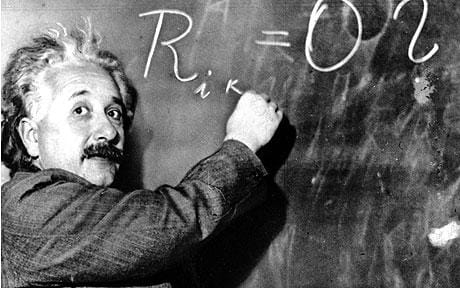
The Montessori Method

Children cannot help learning, they learn from their environment. 

There are sensitive periods when children are more susceptible to certain behaviours and can learn specific skills more easily:

The sequence and timing vary for each child.

The prepared environment makes learning materials and experiences available to children in an orderly format. 

The children are free to explore materials of their own choosing, they absorb what they find there, independently and actively.

With free choice, children are able to develop the skills and abilities necessary for effective learning autonomy and positive self-esteem.

Children are capable of educating themselves (self-education). Children who are actively involved in a prepared environment and who exercise freedom of choice literally educate themselves.

The Teacher’s Role

Make children the centre of learning.

  • Teachers show respect for children when they help them do things and learn for themselves.
  • The teacher’s task is not to talk, but to prepare and arrange a series of motives for cultural activity in a special environment made for the child”.
  • Encourage children to learn by providing freedom for them in the prepared environment.
  • Observe children, so as to prepare the best possible environment, recognising sensitive periods and diverting inappropriate behaviour to meaningful tasks.
  • Prepare the learning environment by ensuring that learning materials are provided in an orderly format and the materials provide for appropriate experiences for all the children.
  • Respect each childand model respect for all children and their work.
  • Introduce learning materials,  
  • Demonstrate learning materials, and support children’s learning. 
  • The teacher introduces learning materials after observing each child.
Design a site like this with WordPress.com
Get started